

We’ve all seen the lists of the “10 best foods” for prostate health. But here’s a better question:
What foods might be quietly working against you?
While certain nutrients can absolutely support prostate function, there are far more common foods in the modern diet that promote inflammation, metabolic dysfunction, and long-term health issues that can negatively impact the prostate.
The truth is, not all risks come from obvious junk food. Some categories are clear offenders and should be minimized as much as possible. Others — like red meat and dairy — aren’t inherently harmful, but deserve closer attention to quality, preparation, and portion size.
In this article, we’ll break down ten food categories to be aware of. The first eight are primary dietary culprits that most men would benefit from limiting. The final two are widely consumed staples that require a smarter, more balanced approach.
Understanding the difference could make a significant impact on your long-term prostate health.

1. Processed Meats
Processed meats are loaded with unhealthy fats, excessive sodium, and harmful preservatives, all of which can create the perfect storm for prostate inflammation.
The high levels of saturated fats increase the production of pro-inflammatory chemicals in the body, while sodium can raise blood pressure, negatively affecting overall circulation, including blood flow to the prostate.
Nitrates and other preservatives found in these meats have been linked to an increased risk of certain cancers, including prostate cancer.
When consumed regularly, processed meats contribute to chronic inflammation, a key factor in prostate issues and the development of more serious conditions. [1]
Examples of processed meats include the following:
- Hot dogs
- Sausages (including breakfast sausages and bratwurst)
- Bacon
- Deli meats (ham, turkey, salami, bologna)
- Pepperoni
- Corned beef
- Pastrami
- Beef jerky
- Canned meats (such as spam)
- Meat sticks (like Slim Jims)
- Pâté and liverwurst
- Smoked meats (smoked ham, smoked sausages)
2. High-Sodium Foods
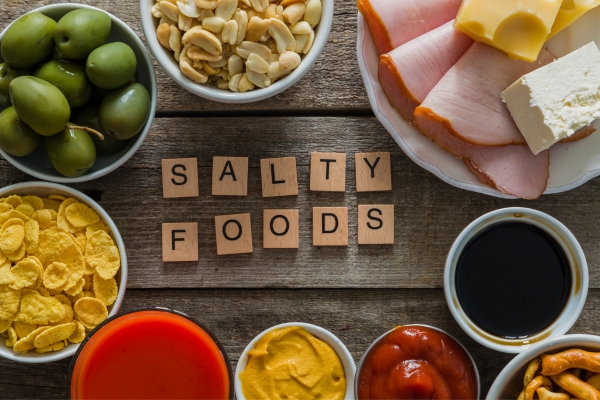 Consuming high-sodium foods can lead to elevated blood pressure and poor circulation, both of which can indirectly affect prostate health.
High blood pressure reduces the efficiency of blood flow throughout the body, including to the prostate, which can contribute to inflammation and exacerbate prostate issues such as benign prostatic hyperplasia (BPH).
Excessive sodium intake is linked to fluid retention, which can worsen urinary symptoms commonly associated with prostate problems.
A high-sodium diet can also contribute to more serious conditions like heart disease and stroke, further compounding overall health risks. [2]
Examples of high-sodium foods include the following:
- Chips (potato chips, tortilla chips, flavored snacks)
- Canned soups (chicken noodle, tomato, cream-based varieties)
- Processed snacks (pretzels, crackers, popcorn)
- Frozen dinners and meals (TV dinners, frozen pizzas)
- Processed meats (bacon, ham, sausage)
- Instant noodles (ramen, cup noodles)
- Pickles and pickled vegetables
- Salted nuts
- Canned beans and vegetables (especially those packed in salty brine)
- Condiments (soy sauce, ketchup, BBQ sauce, salad dressings)
- Sauces and gravies (instant gravy mix, Alfredo sauce)
- Packaged rice and pasta mixes (boxed macaroni and cheese, flavored rice)
- Fast food (burgers, fries, chicken sandwiches)

3. Fried Foods
Fried foods are a major contributor to inflammation and oxidative stress in the body, both of which can negatively impact prostate health.
One of the biggest problems with fried foods is the extreme heat used during cooking, which can cause oils and fats to break down and form inflammatory compounds. Over time, frequent consumption of these oxidized fats may contribute to systemic inflammation — a key driver behind many chronic health issues.
Another often-overlooked issue is the type of oil being used.
Many fried foods (especially in restaurants and packaged products) are cooked in highly refined industrial seed oils such as soybean, corn, canola, cottonseed, or sunflower oil. These oils are often heated to very high temperatures and reused multiple times, increasing oxidation and the formation of potentially harmful byproducts.
This oxidative damage may worsen inflammation throughout the body and contribute to metabolic dysfunction, which is closely linked to poor prostate health.
Regular consumption of fried foods can also lead to weight gain and insulin resistance, both of which are strongly associated with increased prostate problems and overall health decline. [3]

Examples of fried foods include the following:
- French fries
- Fried chicken (chicken wings, chicken tenders, drumsticks)
- Fried fish (fish sticks, fried catfish, fried cod)
- Fried shrimp
- Onion rings
- Potato chips
- Mozzarella sticks
- Doughnuts
- Tempura (vegetables, shrimp)
- Fried calamari
- Churros
- Egg rolls
- Samosas
- Fried dumplings
- Fried pork rinds
- Funnel cakes
- Corn dogs
- Jalapeño poppers
- Hushpuppies
- Fried pickles
4. Alcohol

Excessive alcohol consumption can disrupt hormone balance and increase inflammation in the body, both of which can negatively affect prostate health.
Alcohol, particularly when consumed in large quantities, has been shown to alter testosterone and estrogen levels, creating an imbalance that can contribute to prostate problems.
Chronic drinking also promotes systemic inflammation, which is linked to a higher risk of prostate cancer and benign prostatic hyperplasia (BPH).
Furthermore, alcohol can impair liver function, leading to a buildup of toxins in the body, which adds additional stress to the prostate.
Moderation is key, as even small amounts of alcohol over time can exacerbate prostate issues. [4]
Examples of alcohol include the following:
- Beer (lager, ale, stout, pilsner, porter)
- Wine (red wine, white wine, rosé, sparkling wine, champagne)
- Spirits (vodka, gin, whiskey, rum, tequila, bourbon)
- Hard cider
- Hard seltzer
- Cocktails (margaritas, martinis, mojitos, cosmopolitans)
- Liqueurs (Baileys, Kahlúa, Grand Marnier, Amaretto)
- Mixed drinks (rum and Coke, whiskey sour, gin and tonic)
- Craft beers (IPAs, pale ales, double IPAs)
- Fortified wines (sherry, port, vermouth)
- Flavored spirits (flavored vodka, whiskey with honey)
- Shooters and shots (Jägermeister, Fireball, Sambuca)
- Sangria
- Mulled wine
-
Alcoholic punches (Jungle Juice, Long Island Iced Tea)
5. Refined Sugars
Refined sugars are a significant contributor to insulin resistance and chronic inflammation, both of which can exacerbate prostate issues.
When you consume excessive amounts of sugar, your body struggles to regulate insulin levels, leading to insulin resistance, a condition closely linked to obesity, metabolic syndrome, and inflammation.

This state of chronic inflammation can worsen prostate problems, increase the risk of benign prostatic hyperplasia (BPH), and contribute to the development of prostate cancer.
High sugar intake weakens the immune system, making it harder for the body to fight off inflammation and illness, including conditions affecting the prostate. [5]
Examples of refined sugar foods include the following:
- Candy (chocolates, gummies, hard candy)
- Pastries (donuts, croissants, Danish pastries)
- Sodas and soft drinks (cola, lemon-lime soda, root beer)
- Sugary cereals (Frosted Flakes, Froot Loops, Cap’n Crunch)
- Cakes and cupcakes
- Cookies (chocolate chip, oatmeal, sugar cookies)
- Ice cream and frozen desserts
- Sweetened yogurt
- Jams and jellies
- Energy drinks (Monster, Red Bull)
- Sweetened coffee drinks (mocha, caramel lattes)
- Sweetened teas (bottled sweet tea, chai lattes)
- Pies (apple pie, cherry pie, pecan pie)
- Brownies and fudge
- Syrups (maple syrup, pancake syrup, flavored coffee syrups)

6. Canned Foods
Many canned foods contain bisphenol A (BPA) in the lining of the can, a chemical linked to hormone disruption.
BPA can mimic estrogen in the body, throwing off the delicate hormonal balance that is crucial for maintaining prostate health.
This hormone imbalance is especially concerning because it has been associated with an increased risk of prostate cancer and other prostate-related issues.
The process of canning often involves high levels of sodium and preservatives, which can contribute to inflammation, further complicating prostate health. [6]

Examples of canned foods include the following:
- Canned tomatoes (diced, crushed, whole)
- Canned soups (chicken noodle, tomato soup, cream-based soups)
- Canned vegetables (corn, green beans, peas, carrots)
- Canned beans (black beans, kidney beans, pinto beans)
- Canned fruit (peaches, pears, pineapples in syrup)
- Canned fish (tuna, salmon, sardines)
- Canned chili and stews
- Canned pasta (spaghetti, ravioli)
- Canned sauces (pasta sauce, enchilada sauce)
- Canned meats (chicken, beef, corned beef)
- Canned evaporated milk
- Canned coconut milk
7. Processed Grains
Processed grains have been stripped of their natural nutrients and fiber, leaving behind refined carbohydrates that offer little nutritional value.
These "empty" calories can spike blood sugar levels, leading to insulin resistance, which is linked to inflammation and obesity, both of which are risk factors for poor prostate health.
The lack of fiber in processed grains also contributes to digestive issues, which can affect overall well-being and prostate function.
Regular consumption of processed grains can worsen inflammation, a critical factor in the development of prostate issues, including benign prostatic hyperplasia (BPH) and prostate cancer. [7]

Examples:
- White bread
- White rice
- Pasta made from refined flour
- Bagels
- Crackers (saltines, club crackers, graham crackers)
- Pretzels
- Instant oatmeal (flavored or sugary varieties)
- Pancakes and waffles made from refined flour
- Muffins and pastries made with white flour
- Couscous (regular, not whole wheat)
- Processed tortillas (flour tortillas, non-whole grain varieties)
- White flour-based pizza dough
8. Soda and Sugary Drinks

Soda and sugary drinks are packed with excessive sugar and artificial chemicals that can wreak havoc on your health, including your prostate.
These beverages lead to rapid spikes in blood sugar, which contribute to insulin resistance and chronic inflammation, two factors closely linked to prostate problems.
Regular consumption of sugary drinks is also associated with weight gain and obesity, both of which increase the risk of benign prostatic hyperplasia (BPH) and prostate cancer.
Additionally, many sugary drinks contain artificial sweeteners and preservatives that can further disrupt hormonal balance and promote inflammation. [8]

Examples of soda and sugary drinks include the following:
- Regular soda (cola, root beer, lemon-lime soda)
- Sugary energy drinks (Red Bull, Monster, Rockstar)
- Fruit punch
- Sweetened iced tea (bottled sweet tea, canned iced teas)
- Lemonade (pre-packaged or store-bought versions)
- Flavored sports drinks (Gatorade, Powerade)
- Flavored coffee drinks (frappuccinos, caramel macchiatos)
- Slushies and frozen drinks
- Sweetened fruit juices (apple juice, grape juice, orange juice with added sugar)
- Pre-sweetened bottled water (flavored water drinks)
- Smoothies made with added sugar or syrups
9. Dairy Products (Not All Dairy Is Created Equal)
Dairy is another category often painted with too broad a brush.
Some research has explored possible links between very high dairy consumption and prostate health concerns. Much of this discussion centers around hormone content, saturated fat intake, and total dietary patterns but the evidence is mixed and far from definitive.
It’s important to distinguish between:
- Highly processed, sugar-laden dairy products
- And minimally processed options like plain Greek yogurt, kefir, or quality cheeses
Dairy can provide:
- High-quality protein
- Calcium
- Vitamin D (when fortified)
- Probiotics (in fermented forms)

These nutrients can support overall health, including muscle mass and metabolic stability which are both important for aging men.
Concerns tend to arise with excessive consumption, particularly of high-fat dairy combined with a diet high in refined carbohydrates and low in fiber. Inflammation and metabolic dysfunction are far more complex than any single food category.
If you tolerate dairy well and consume it in moderation, especially fermented or minimally processed varieties, it can fit into a balanced diet.
Men with hormone-sensitive conditions, high cholesterol, or specific prostate concerns should work with a healthcare professional to determine what level of intake is appropriate.
Again, the issue isn’t dairy alone, it’s overall dietary quality and lifestyle. [9]
10. Red Meat (Quality, Quantity & Preparation Matter)
Red meat has been heavily criticized over the years, often blamed for inflammation and increased cancer risk. However, it’s important to separate processed meats (already discussed) from high-quality, minimally processed cuts of red meat.

Red meat is naturally rich in:
- Zinc (a critical mineral for prostate function)
- Vitamin B12
- Iron
- Complete, highly bioavailable protein
These nutrients are especially important for men as they age.
Where concerns arise is not simply from red meat itself, but from:
- Frequent consumption of heavily processed versions
- Excessive portion sizes
- Cooking methods that char or burn meat at very high temperatures
- Overall poor dietary patterns high in refined foods and low in fiber
Cooking meat at extremely high heat (such as charring on a grill) can create compounds that may damage cells over time. Moderation and proper preparation methods matter.
Some observational studies have linked very high intakes of red meat with increased prostate concerns, but these studies often fail to distinguish between processed and unprocessed meat, overall lifestyle factors, and total diet quality.
For most healthy men, moderate intake of high-quality red meat as part of a whole-food, fiber-rich diet is not inherently harmful. However, if you have existing metabolic issues, elevated cholesterol, or a strong family history of prostate disease, it’s wise to monitor intake and consult a healthcare professional for personalized guidance.
The key isn’t fear... it’s quality, balance, and context. [10]
Protect Your Prostate with Smarter Choices
Improving your prostate health doesn’t require fear, extreme restriction, or eliminating entire food groups overnight.
The biggest wins come from consistently limiting the true offenders, things like: ultra-processed foods, excessive sugars, refined grains, industrial oils, and highly processed meats. And then building your diet around whole, nutrient-dense foods.
Remember, red meat and dairy don’t have to be the enemy.
The key is quality, moderation, and preparation. Choosing minimally processed options, watching portion sizes, and balancing your plate with fiber-rich vegetables, healthy fats, and adequate hydration can make a meaningful difference over time.
Rather than obsessing over what you “can’t” eat, focus on creating a sustainable pattern that reduces inflammation, supports metabolic health, and provides your body with the nutrients it needs to function at its best.
Small, consistent adjustments add up. And when it comes to prostate health, long-term habits matter far more than short-term perfection.
So What's Next for Men Over 40?
Of course, prostate health doesn’t exist in a vacuum.
Hormonal balance, especially healthy testosterone levels, plays a major role in energy, metabolism, muscle maintenance, and overall male vitality as you age.
Supporting your body with the right daily habits is step one, but targeted nutritional support can help fill the gaps and keep your system operating at its best.
If you’re serious about protecting your prostate while also supporting strength, performance, and long-term health, consider adding foundational support designed specifically for men.
